
9th Grade Homeschool Science Curriculum


9th Grade Science for Homeschool
You did it! Your student is officially (going to be) a high schooler and you're sticking with homeschool. That's great! But . . . now what? Whether your student will be continuing to college to study a science and so needs a more rigorous path, or "just needs to get science done", or something in between, this post will walk you through the available 9th grade homeschool science curriculum options from Science Shepherd. We hope it will help you and your 9th grader start high school strong!
What about 8th grade? If you're not ready to start 9th grade, you can review our 8th grade homeschool science options here.
Because high school science can look so different for each student and there are several ways you can approach a homeschool science curriculum with our material, we've divided our 9th grade curriculum into introductory and college-prep options.
Introductory Options
We've never really done science before, or are really behind. Where do we start? We totally understand, and it is probably a more frequent occurrence than you realize. If science just hasn't been a focus for your family - maybe doing some unit studies, living books, or other informal resources and not a lot of formal study - there are a few different options we'd recommend, and getting "on track" can be pretty quick.
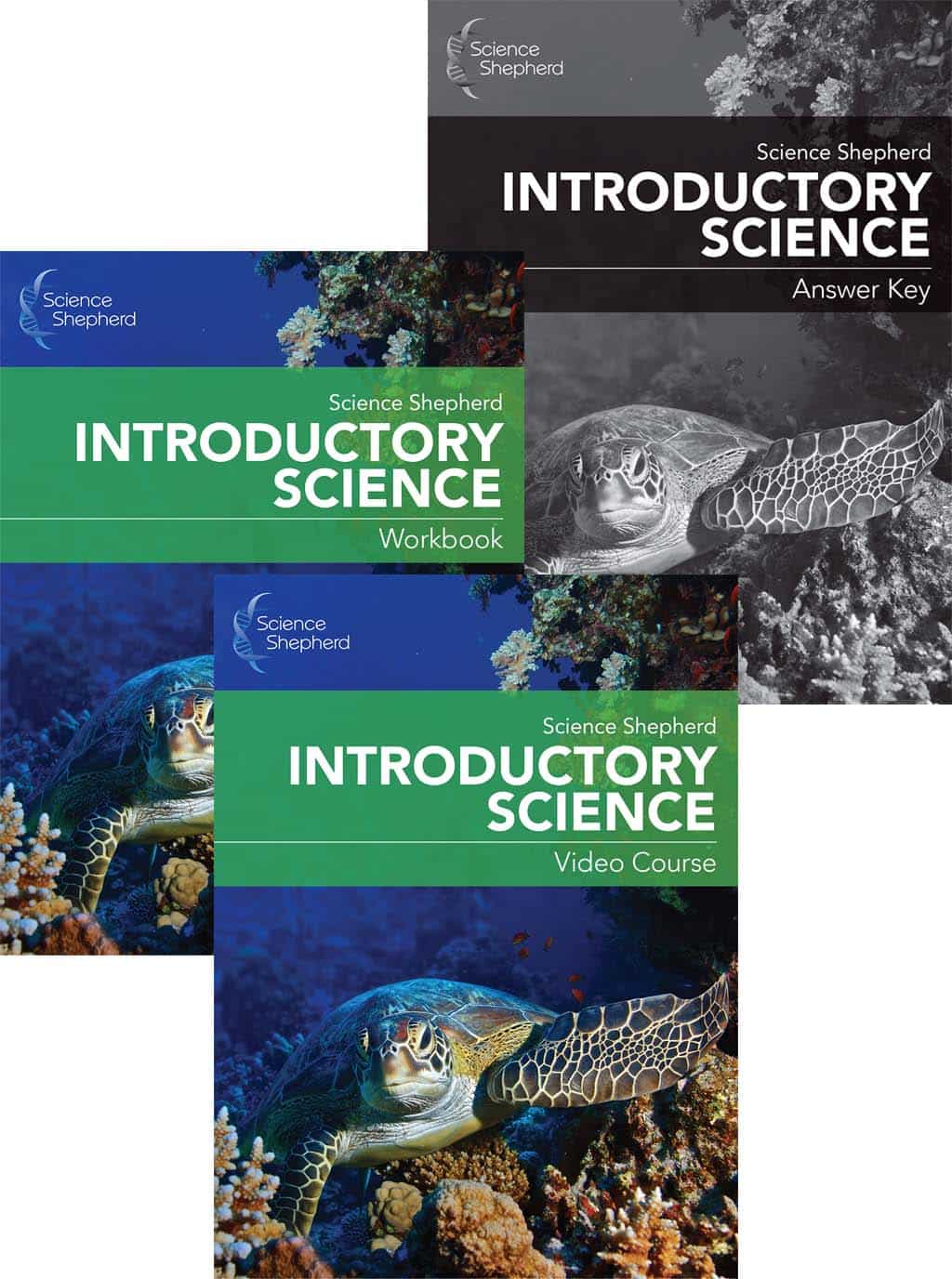
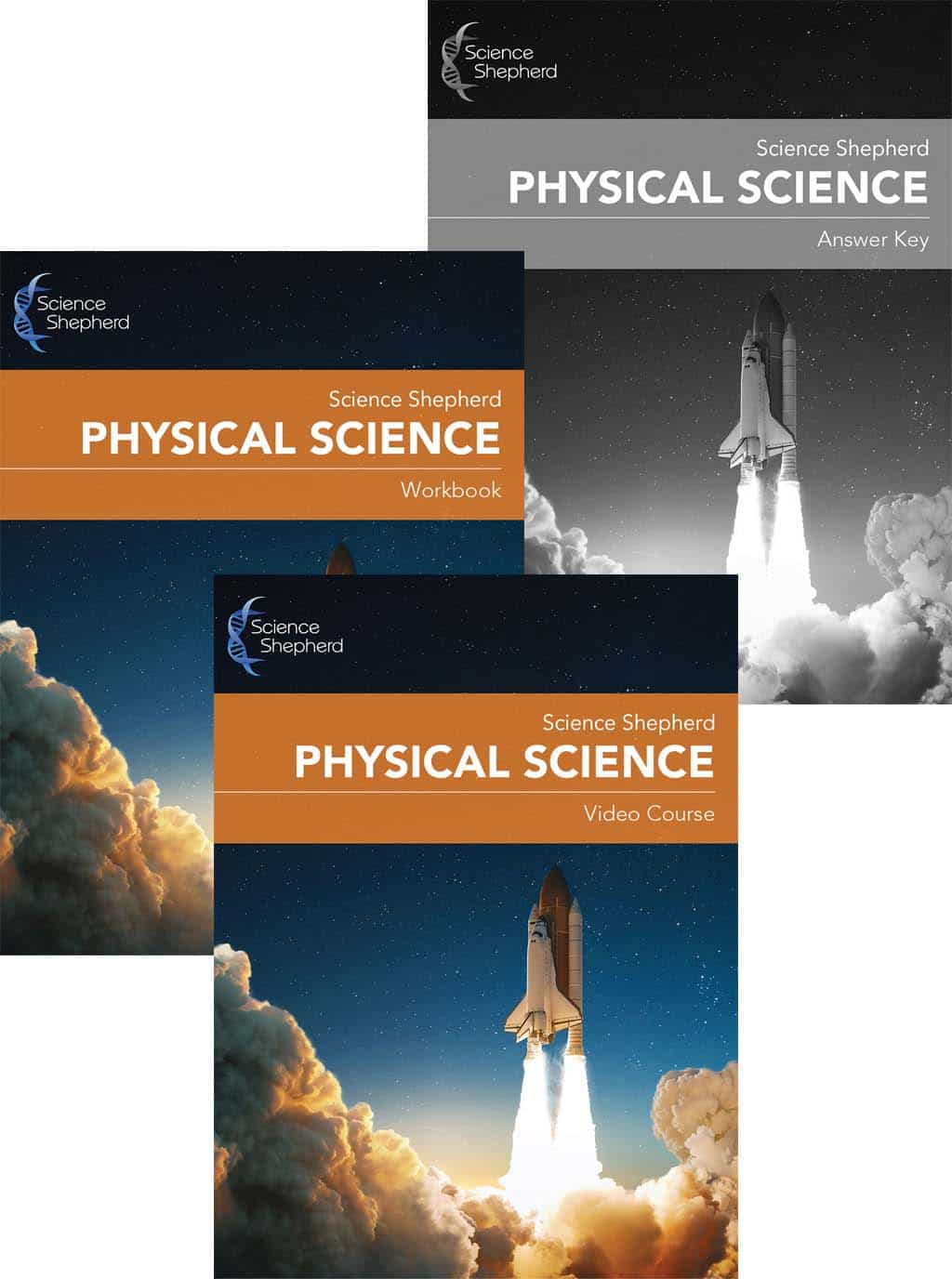
Introductory Science and/or Physical Science
If your student has never even touched a science book, starting with a combination of our Introductory Science and Physical Science into a hyper-accelerated pace can be a good place to start, especially for a student intimidated by science. Yes, the Introductory Science material may feel a little “too easy” for an older student, but the straightforward presentation will allow your student to speed through it still while learning, all the while priming the student “how to learn science”. Many students struggle with formally learning science because they never formally learned HOW to learn it. Then, the student can rapidly move into Physical Science, which when covered in half a semester or less will challenge the student without overwhelming. In addition to formalizing a standardized approach to learning science, these two courses will establish a strong foundational material mastery and bring your student up to speed for more. Alternatively, an already science-interested student could complete only Physical Science in just a few weeks, if the breadth of Introductory Science isn't needed. Once either of the approaches is completed, a student can move into another one of the introductory options discussed below.
Both courses mentioned above are video-based, with corresponding workbooks to help reinforce key concepts. The workbooks also include hands-on activities and experiments. Each workbook is available in Level A and Level B, to help tailor the depth of content to each student, with Level B being slightly more challenging (including some basic algebra for Physical Science). Because the Level A and B workbooks utilize the same lesson material for each course, students in both Levels can complete a class together. For 9th grade, the Level B workbooks will typically be best.
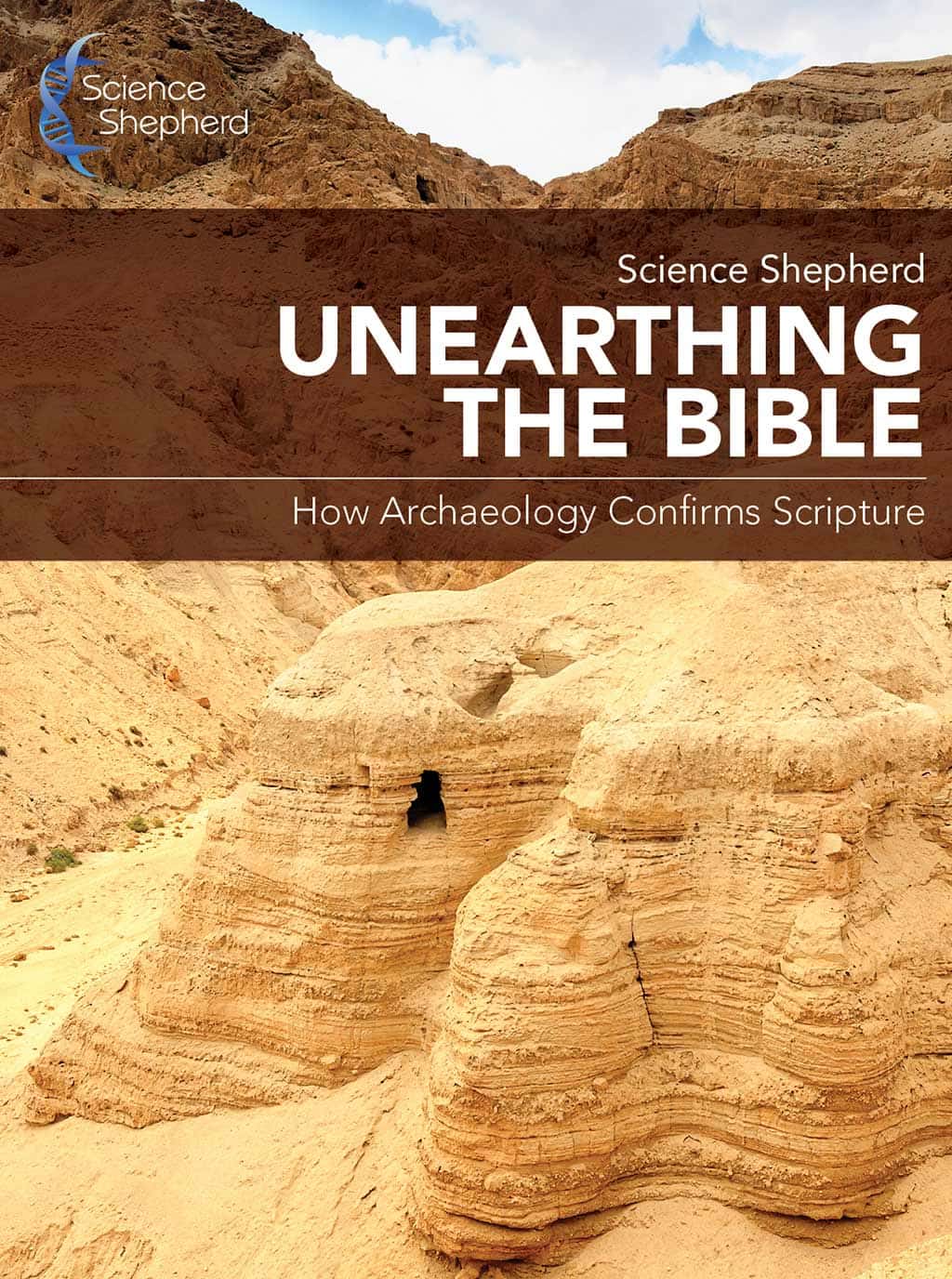
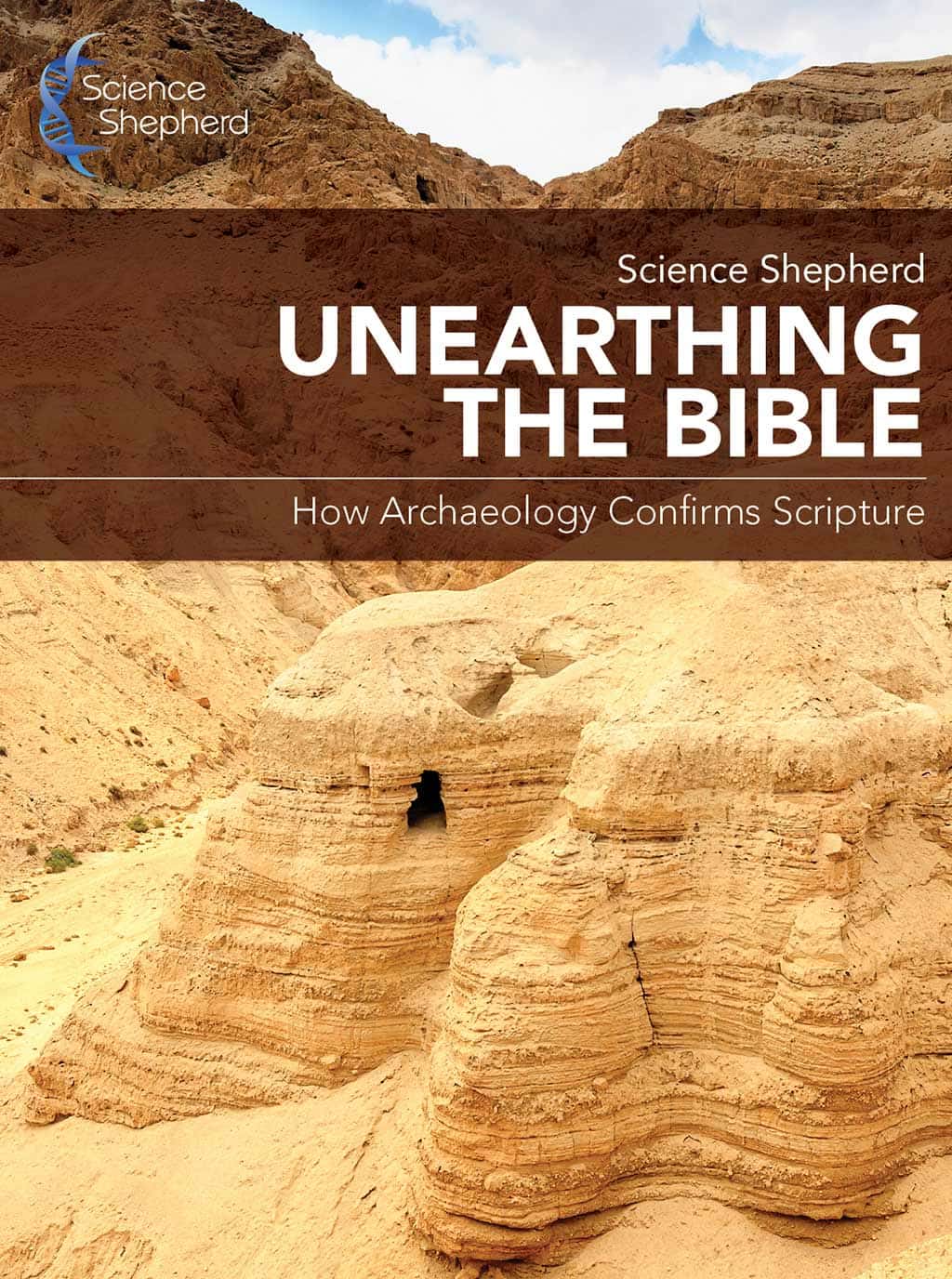
Unearthing the Bible for 9th Grade
For 9th grade, Unearthing the Bible is a great choice for a student looking for an interest-based option, or as a supplement to their Bible or history curriculum to provide some cross-over learning. It surveys numerous archaeological discoveries, such as the Lachish ostraca, Dead Sea Scrolls, the city of Jericho, and more, to show the historical accuracy of the Bible. Unearthing the Bible is a video-based course, with a PDF workbook included with the video enrollment. The workbook includes “For Advanced Study” sections for older students, rather than a Level A/B format. Note that, as presented, Unearthing the Bible is only a 15 week, or half semester, class.
Ready to get started? Enroll in Unearthing the Bible for 9th grade today!
Astronomy for 9th Grade
Another interest-based curriculum option for 9th grade homeschool science is Astronomy: God's Universe. It features a video + workbook format, with topics ranging from the objects of our solar system to stars and galaxies, dark matter and energy, relativity, and more. Plus, students will gain an understanding of how astronomical observations support and confirm a literal understanding of the Genesis 1 creation account. Astronomy: God's Universe uses a Level A/B structure but differs in that the Level A video lessons serve as the "core" content, with added videos and corresponding workbook pages in Level B for deeper study in select areas. Level A is best suited for grades 5-7 (ages 10-13), and Level B for grades 7-9 (ages 12-15). Students in both Levels can still complete the core lessons together, a student in Level B will have an extra video or two each week (on average) to complete. For 9th grade, Level B will generally be the best option.
Ready to get started? Save 10% on a Level B Christian astronomy curriculum bundle for 9th grade!
Life Science for 9th Grade
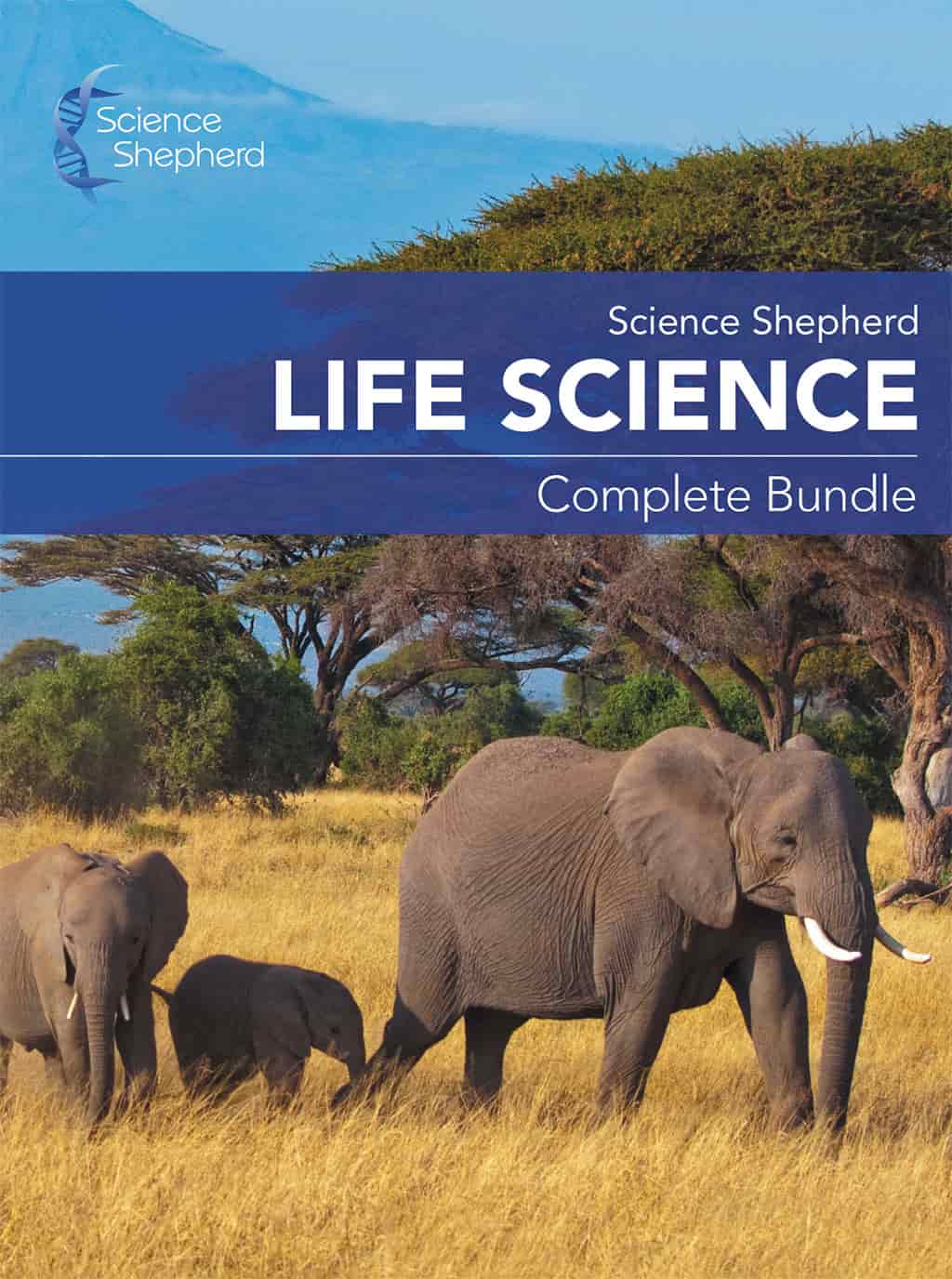
Life Science is a great option for a 9th grade student in need of an introductory course before tackling our Biology (see below). While it is primarily a text-based course with daily reading assignments, a video course and workbook are also available to help reinforce the textbook material. Topics covered in Life Science include the characteristics of life, cells, genetics, plants and animals, and more. In addition to the course textbook, videos and workbook, a test booklet and lab manual are available, as well as a detailed parent companion.
Ready to get started? Save 10% on a Life Science Complete Bundle for 9th grade!
Chemistry and Physics for 9th Grade
Like Life Science, our Fundamentals of Chemistry and Fundamentals of Physics are courses to consider for 9th grade as introductions before completing "full" high school chemistry or physics. Alternatively, they can be taken together in a single year as a combined physical science. Both courses are text-based, with daily reading assignments, and video teaching and workbooks available to help reinforce the textbooks. Topics covered in Fundamentals of Chemistry include data collection, the periodic table, atoms, chemical bonding, and more. Fundamentals of Physics covers the states of matter, mechanical equilibrium, Newton's laws, waves, and more. A test booklet, lab manual and detailed parent companion are available for both courses.
Ready to get started? Save 10% on a Fundamentals of Chemistry Complete Bundle or Fundamentals of Physics Complete Bundle for 9th grade!
College-Prep
For a student ready to jump into deeper study, whether for a more rigorous course for academic purposes and/or to get ready for study at the college-level, our Biology and upcoming Anatomy & Physiology are great options.
Biology
Our Biology is a full-blown college-prep biology curriculum, with a structure similar to Life Science and the two Fundamentals courses. The core material is the textbook, tests and parent companion, with video lessons available to support and expound upon the textbook. A lab manual and lab videos are also available. Note that, at this time, Biology does not have a workbook. Topics covered in Biology include the chemistry of life, photosynthesis and cellular respiration, genes and heredity, creation and evolution, plants and animals, and more.
Ready to get started? Save up to 10% on a Biology 3-Book Set for 9th grade!
Anatomy Physiology
Coming soon! Our upcoming Anatomy & Physiology will provide both an introductory and advanced track for high school.
Is there a “right” order to everything?
A common question about our courses is if there is a “right” order to progress from one grade to another through them. The short answer is that, no, there really isn’t a right or wrong way. While Introductory Science does serve as a logical course to start with for students with not a lot of previous science study, a student who has already completed some formal science or is just more interested in / "gets science" would be fine to jump right into something else. And, while there is some logic in completing certain courses before others - Life Science before Biology, for instance - courses like Life Science, Fundamentals of Chemistry and Fundamentals of Physics can be completed in any order.
Additional Options
If the 9th grade homeschool science curriculum options reviewed here don’t seem like a good fit for your student, our Recommended Course Progression blog post is another resource you can reference to get additional insight into which grade level(s) each Science Shepherd course is best suited for.
We hope this overview has been helpful to you in choosing a Science Shepherd homeschool curriculum for 8th grade. If you have any questions about the right material for your family, please contact us and we’d be happy to assist.
Until next time,
Science Shepherd